
Germantown: Density, Craft, and Urban Continuity
Germantown developed as a compact, walkable neighborhood where material honesty and architectural continuity remain visible at the street level. Located just north of downtown Nashville, it developed as one of the city’s earliest residential neighborhoods, shaped by walkability, mixed use, and a close relationship between buildings and street.
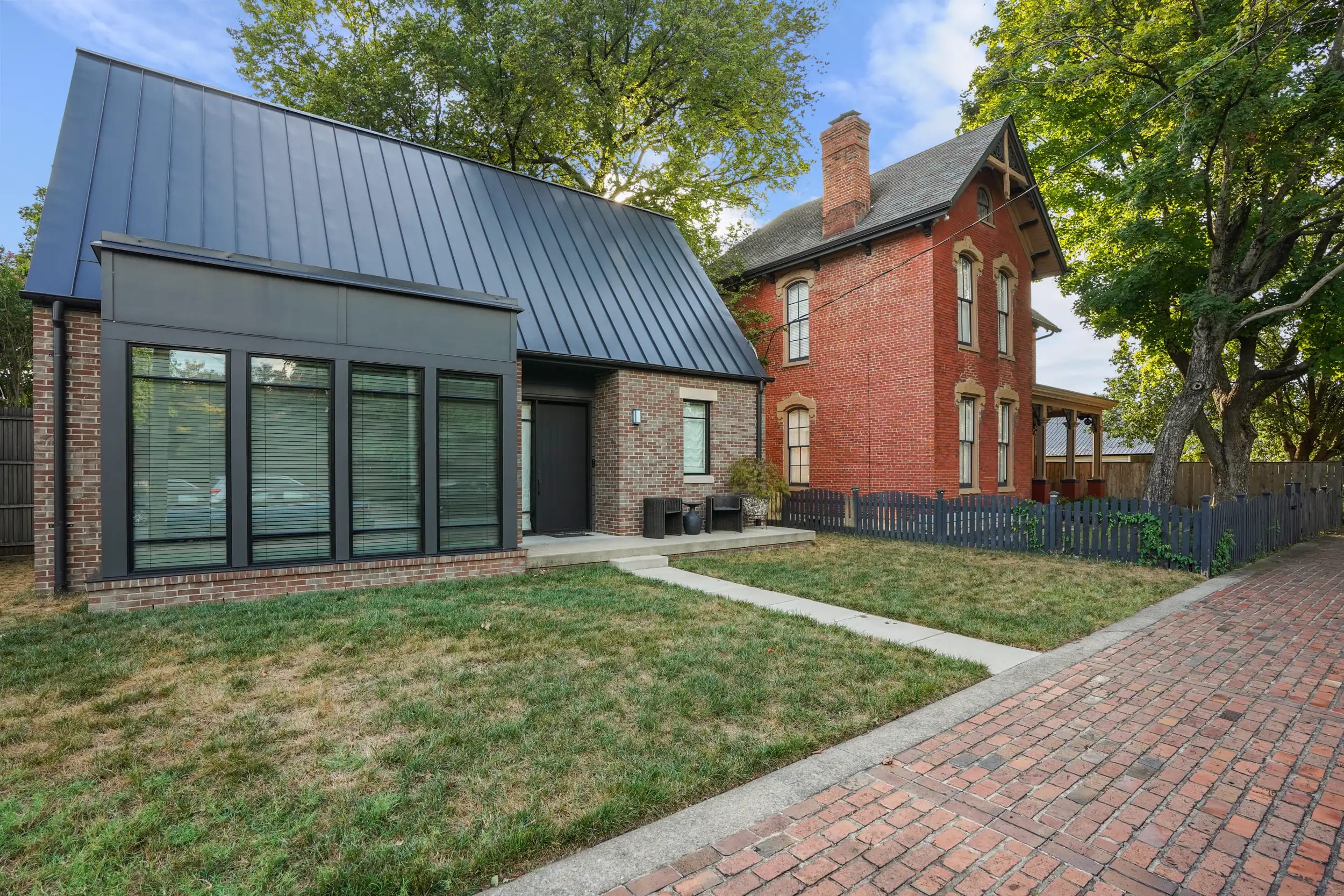
Unlike estate-scale neighborhoods, Germantown is compact by design. Streets are narrow, blocks are short, and buildings engage the public realm directly. Brick sidewalks, historic street patterns, and a consistent urban rhythm create a neighborhood that feels grounded and deliberate rather than planned all at once.
The experience of Germantown is layered. History is present, but not frozen. Old and new coexist in close conversation, and the neighborhood’s character comes from that continuity rather than uniformity.
Architectural Character and Housing Stock
Germantown’s architectural fabric reflects its origins as a working, walkable neighborhood. Many of the remaining historic structures date to the late nineteenth and early twentieth centuries, including Victorian and Italianate homes, masonry townhouses, and former industrial buildings.
Adaptive reuse plays a central role here. Projects like Werthan Lofts illustrate how former factories and warehouses have been reimagined for residential use while retaining their material weight and proportion. Newer construction tends to be denser and more contemporary, but successful projects respect scale, massing, and the established street edge.
What distinguishes Germantown architecturally is not a single style, but a shared relationship to density. Buildings are close together, materials are visible and tactile, and design decisions are immediately legible at the pedestrian level.
Urban Fabric as Structure
In Germantown, the street is the organizing element.
Sidewalks, setbacks, and building frontage shape daily life more than private yards or internal amenities. Parks like Bicentennial Capitol Mall State Park and access to the Nashville Farmers’ Market provide shared open space, reinforcing the neighborhood’s civic orientation.
This urban structure encourages walking, short trips, and casual interaction. It also explains why architectural change in Germantown is most successful when it works within the existing block pattern rather than attempting to stand apart from it.
Living in Germantown
Germantown attracts buyers who value walkability, architectural character, and proximity over size. Its location allows residents to remain connected to downtown Nashville while living in a neighborhood that feels residential rather than transient.
Homes here are often chosen for how they function day to day: ease of movement, access to public space, and the ability to live with less separation between private and public life. The neighborhood rewards engagement and favors those who appreciate density as a feature rather than a compromise.
Buyers evaluating Germantown often compare it with Downtown Nashville, East Nashville, and Sylvan Park, depending on priorities around walkability, architectural fabric, and urban context.
Real Estate Perspective
In market terms, Germantown’s strength lies in its fundamentals. Location, walkability, and architectural continuity drive demand more consistently than trend-driven features.
Because density is inherent rather than imposed, the neighborhood has been able to absorb change without losing identity. Properties that respect scale, materials, and the existing urban fabric tend to perform well over time.
Germantown is not about expansion. It is about continuity.
Germantown’s character is best understood through its architectural layers rather than a single era or style. I outline how density, material choices, and historic fabric shape neighborhoods like this in my guide to architecture and design in Nashville homes. For those interested in how individual designers and builders influenced Nashville’s urban form, Architects of Nashville provides additional context.
Frequently Asked Questions
How does Germantown differ from downtown Nashville living?
Germantown is organized around streets and blocks rather than towers. While it is dense and walkable, it retains a residential rhythm at ground level that feels more neighborhood-focused than downtown high-rise living.
Why does Germantown attract buyers who prioritize walkability?
Germantown’s density is inherent rather than added later. Short blocks, consistent building frontage, and proximity to parks and daily amenities make walking part of everyday life rather than a convenience feature.
What types of homes tend to perform best in Germantown?
Homes and condos that respect the neighborhood’s scale, materials, and street presence tend to hold value best. Buyers respond strongly to properties that engage the urban fabric rather than isolate themselves from it.