
Downtown Nashville: Vertical Living and Urban Form
Downtown Nashville is defined by density, infrastructure, and verticality. As the city’s historic commercial core, it has evolved from a primarily civic and industrial center into a mixed-use residential environment shaped by towers, transit, and proximity rather than neighborhood fabric.
Unlike Nashville’s residential districts, downtown living is organized around buildings rather than blocks. The experience is less about streetscape continuity and more about access, elevation, and connection to the city’s cultural and economic core.
Architectural Character and Housing Stock
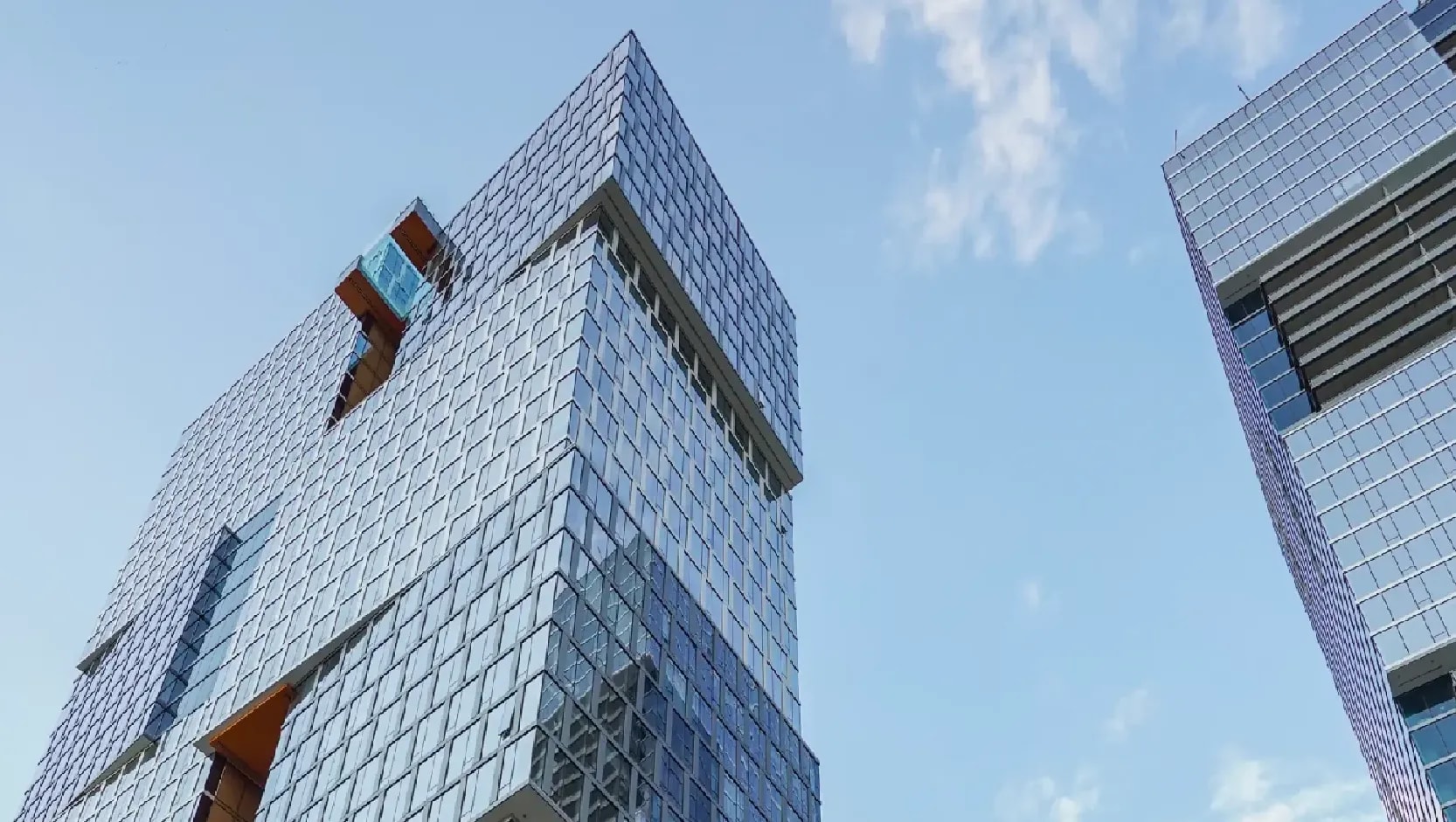
Residential architecture downtown is dominated by contemporary high-rise construction, adaptive reuse, and large-scale mixed-use development. Condominiums and lofts are typically designed with efficiency, views, and shared amenities in mind, prioritizing location and outlook over lot size or private outdoor space.
Many buildings emphasize glass, steel, and concrete construction, reflecting downtown’s role as a modern urban center. Interior layouts tend to be compact and intentional, with open plans that respond to vertical living rather than traditional residential patterns.
Historic structures remain present in pockets, often repurposed into residential or hybrid uses, adding texture and contrast to an otherwise modern skyline.
Walkability and Urban Access
Walkability downtown functions differently than in neighborhood settings. Rather than serving daily errands, it supports access to work, entertainment, dining, and events. Residents move vertically within buildings and horizontally across short distances between offices, venues, and public spaces.
Downtown’s proximity to the riverfront, transit corridors, and civic landmarks reinforces its role as a hub rather than a retreat. New public spaces and greenway connections continue to reshape how residents interact with the urban environment.
Living Downtown
Downtown Nashville attracts buyers who value immediacy and access. Homes here are often chosen for lifestyle efficiency, city views, and proximity to cultural institutions rather than long-term residential quiet.
For some, downtown living is a primary residence. For others, it serves as a secondary home or investment property. In both cases, the appeal is tied to location, building quality, and long-term urban growth rather than traditional neighborhood character.
Buyers considering downtown living often compare Germantown, East Nashville, and nearby urban neighborhoods when weighing walkability, density, and lifestyle.
Real Estate Perspective
From a real estate standpoint, downtown performance is closely tied to building fundamentals. Factors such as construction quality, association management, floor plan efficiency, and view corridors play an outsized role in long-term value.
Unlike single-family neighborhoods, downtown real estate requires a building-by-building understanding rather than a block-by-block one. Successful buying and selling decisions depend on evaluating architecture, governance, and location together.
Downtown Nashville is not about nostalgia. It is about participation in the city as it is, and as it continues to change.
Urban neighborhoods like this are shaped more by building typology and density than traditional streetscape continuity. I explore how these patterns influence livability and long-term value in architecture and design in Nashville homes, along with the architects and design movements that shaped Nashville’s urban growth in Architects of Nashville.
Frequently Asked Questions
How is downtown living different from residential neighborhoods in Nashville?
Downtown living is organized around buildings rather than streets. Daily life is shaped by vertical movement, shared amenities, and proximity to work, dining, and events rather than neighborhood-scale residential patterns.
Are downtown homes typically primary residences or secondary properties?
Both. Some buyers live downtown full-time, while others use downtown residences as second homes or investment properties. In each case, decisions tend to focus on building quality, views, and long-term urban growth rather than neighborhood continuity.
What factors matter most when evaluating downtown real estate?
Building fundamentals matter more than location within a single block. Construction quality, floor plan efficiency, association management, and view corridors often have a greater impact on long-term value than square footage alone.