
East Nashville: Layered Growth and Residential Experimentation
East Nashville real estate is defined by layers and contrast. Located just east of downtown across the Cumberland River, the area developed through multiple eras of growth, disruption, and reinvention. Historic homes, mid-century properties, and contemporary infill frequently share the same block, making architectural context essential when evaluating value, livability, and long-term performance.
Unlike neighborhoods shaped by a single moment in time, East Nashville reflects decades of incremental change. Streets, lot sizes, and building styles shift block by block, creating a residential fabric that feels flexible rather than fixed.
Architectural Character and Housing Stock
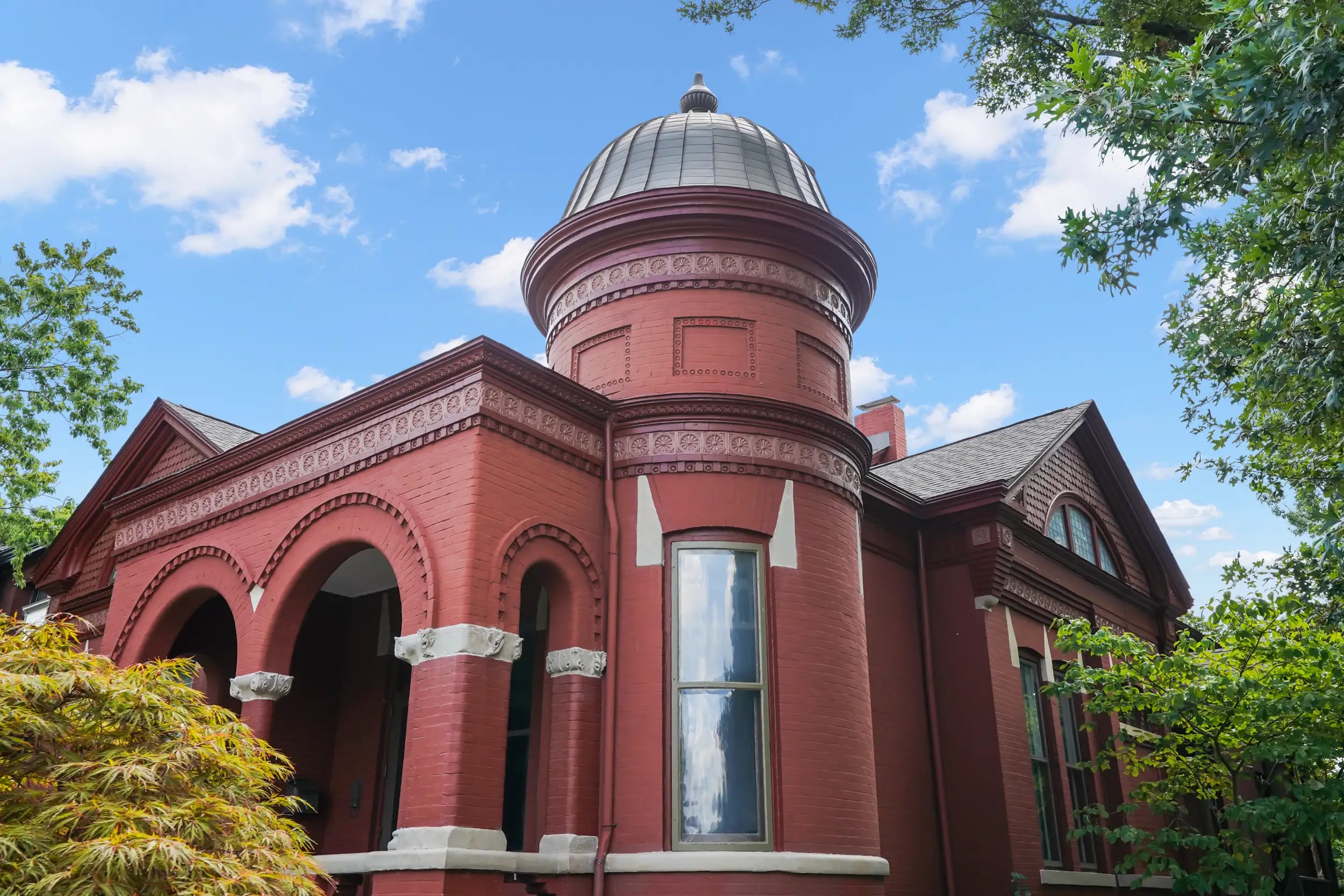
East Nashville contains one of the city’s widest ranges of residential architecture. Historic Victorian, Craftsman, and early twentieth-century homes coexist with mid-century houses, contemporary infill, and architect-designed new construction.
Many older homes emphasize front porches, narrow lots, and direct engagement with the street. Newer construction often explores modern forms and materials, responding to density and evolving living patterns. At its best, this contrast creates productive tension rather than visual noise.
The neighborhood’s architectural identity is not uniform, but it is legible. Change is visible, and that visibility is part of East Nashville’s character.
Walkability and Neighborhood Structure
Walkability in East Nashville varies by pocket, shaped by historic street grids and proximity to commercial nodes. Lockeland Springs real estate is often sought out specifically for this reason, with shorter blocks, mature trees, and close relationships between homes, parks, and neighborhood-scale commercial corridors. Historic Edgefield and parts of Eastwood share similar characteristics, though each area expresses them differently.
Access to Shelby Bottoms and the surrounding greenway system adds another layer, connecting residential streets to open space and long trails along the river. This combination of neighborhood scale and landscape access contributes to daily life that feels active without being centralized.
Living in East Nashville
East Nashville attracts buyers who value individuality and adaptability. Homes here are often chosen for their potential as much as their current condition. Buyers tend to respond to character, layout, and context rather than uniformity.
The neighborhood supports a wide range of living patterns, from long-term family homes to creative live-work arrangements. Proximity to downtown allows for easy access, while the residential fabric maintains a sense of separation from the city’s core.
When exploring East Nashville, buyers frequently compare it with Germantown, Old Hickory, and Downtown Nashville, depending on preferences around character, proximity, and pace of life.
Real Estate Perspective
From a real estate standpoint, East Nashville rewards discernment. Value is influenced heavily by micro-location, architectural integrity, and how well a property engages with its site and street. Buyers researching East Nashville real estate often compare neighborhoods like Lockeland Springs, Edgefield, and Inglewood based on architecture, density, walkability, and how homes relate to their sites and streets.
Homes that respect scale, proportion, and neighborhood context tend to perform best over time. Understanding where a house fits within the area’s broader architectural story is essential for making sound buying or selling decisions.
East Nashville remains compelling because it allows for evolution without erasure.
Buyers focused on architectural integrity and long-term livability often track opportunities in this neighborhood through Jake’s List, a curated collection of design-forward homes informed by architectural context rather than surface features. This is a more methodical approach to house hunting instead of generic internet searches like "East Nashville real estate" or "East Nashville houses for sale."
Frequently Asked Questions
Why does East Nashville feel so different from block to block?
East Nashville developed through multiple periods of growth and reinvestment. Architecture, lot sizes, and street patterns can change quickly, making micro-location more important here than in more uniform neighborhoods.
Are newer homes in East Nashville viewed differently than historic ones?
Buyers tend to evaluate newer and older homes based on how well they relate to their surroundings. Homes that respect scale, street presence, and proportion typically perform better than those that ignore neighborhood context.
Who tends to thrive living in East Nashville?
East Nashville attracts buyers who value flexibility and individuality. It works well for people who are comfortable with variation, evolving neighborhoods, and homes that prioritize character and adaptability over uniformity.