Braxton Dixon: Builder of Nashville's Most Idiosyncratic Homes

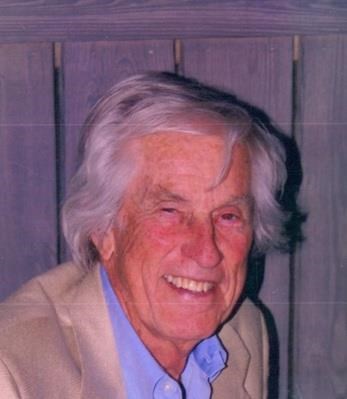
Braxton Dixon Architect

Homes associated with Braxton Dixon are often researched because they resist easy comparison. Built primarily between the 1960s and 1990s, Dixon’s houses reflect a deeply personal approach to design, blending European vernacular influences, salvaged materials, and handcrafted details into structures that feel more discovered than planned.

Dixon was not formally trained as an architect, but his work is immediately recognizable. Stone towers, irregular massing, reclaimed beams, and medieval references appear frequently, often sourced from historic structures dismantled elsewhere. These homes prioritize atmosphere and narrative over convention, which is why they are frequently discussed when evaluating architectural significance rather than finish level. 

Understanding a Dixon home is less about category and more about intent. Layout, materials, and construction decisions tend to matter more than recent upgrades when assessing long-term value or livability. Homes like these often benefit from valuation and guidance that accounts for architectural intent rather than surface upgrades.


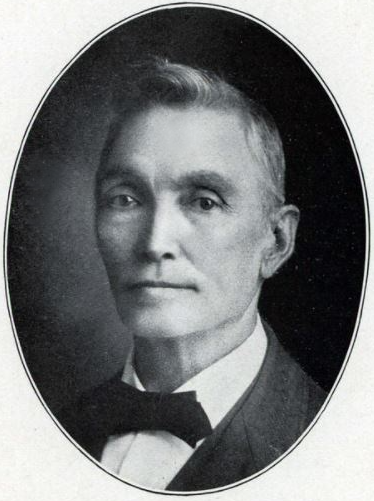
Bryant Fleming: Estate Architecture and Landscape as a Unified Whole

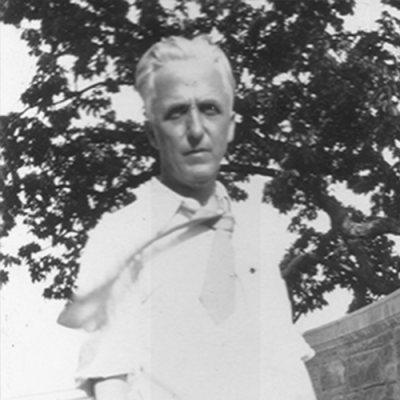
Bryant Fleming Architect

Bryant Fleming’s work is most often referenced in connection with Cheekwood, but his influence extends beyond a single landmark. His approach treated architecture, landscape, and interior planning as interdependent, shaping how Nashville’s estate-scale properties were conceived in the early 20th century.

Fleming’s designs emphasize symmetry, proportion, and controlled formality, often unfolding through long approaches and carefully composed views. Homes and estates influenced by his thinking tend to prioritize site planning and landscape relationships as much as interior detail.

For buyers and owners, Fleming-associated properties are often evaluated through context. Their value lies not only in age or style, but in how deliberately the home engages its setting.


Donald Southgate: Master of Southern Elegance in Nashville Architecture

Donald Southgate’s residential work continues to appear in Belle Meade, Forest Hills, and Green Hills, often surfacing when buyers search for homes with enduring proportions rather than overt stylistic statements. His designs draw heavily from Colonial Revival and Georgian traditions, emphasizing symmetry, restraint, and craftsmanship.

Southgate-trained homes typically age well because they were designed around balance and material integrity rather than trend. Interiors often favor formal room sequences and measured transitions, which can influence renovation decisions decades later.

These properties are frequently valued for consistency and architectural discipline rather than novelty, making context especially important when comparing them to newer construction nearby.

Earl Swensson: Modern Scale and Institutional Influence

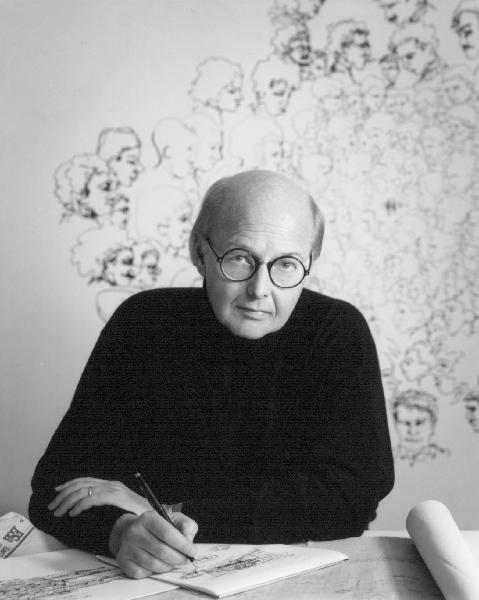
Earl Swensson Architect

Earl Swensson’s legacy is most visible in Nashville’s commercial and civic landscape, particularly in large-scale projects that shaped downtown and healthcare architecture. While not primarily residential, his work influences how Nashville understands modern form, efficiency, and urban presence.

Swensson’s buildings emphasize human circulation, functional clarity, and recognizable silhouettes. For buyers and investors, his name often appears during research into mid- to late-20th-century development patterns rather than individual homes. 

His relevance today lies in understanding how modern architecture entered Nashville at scale, setting precedents that continue to affect density and development decisions.


Edwin Keeble: Modernism in a Traditionally Classical City

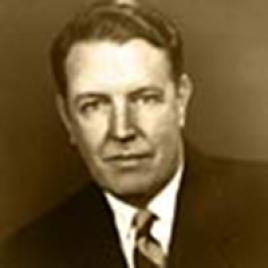
Edwin Keeble Architect

Edwin Keeble is often researched by those trying to understand how modern architecture took hold in Nashville. Best known for the Life & Casualty Tower, Keeble introduced International Style principles to a city long defined by classical and revivalist forms.

His work emphasizes structural expression, clarity of function, and reduced ornament. While much of his portfolio is institutional or commercial, his influence shaped how modern design became acceptable in Middle Tennessee.

Keeble-associated research often signals broader questions about mid-century modernism, urban growth, and architectural transition rather than specific residential properties.

Hugh Cathcart Thompson: Victoriam and Romanesque Foundations

Hugh Cathcart Thompson Architect

Hugh Cathcart Thompson’s work is typically referenced in discussions of Nashville’s late-19th-century civic identity. His designs introduced Victorian Gothic and Romanesque Revival forms that still anchor downtown and institutional settings today.

Properties near Thompson-designed landmarks are often evaluated for their historical context and proximity to foundational architecture. His influence is less about individual residences and more about the urban fabric that surrounds them. 

Understanding Thompson helps explain why certain neighborhoods and districts developed with particular scale and material character.


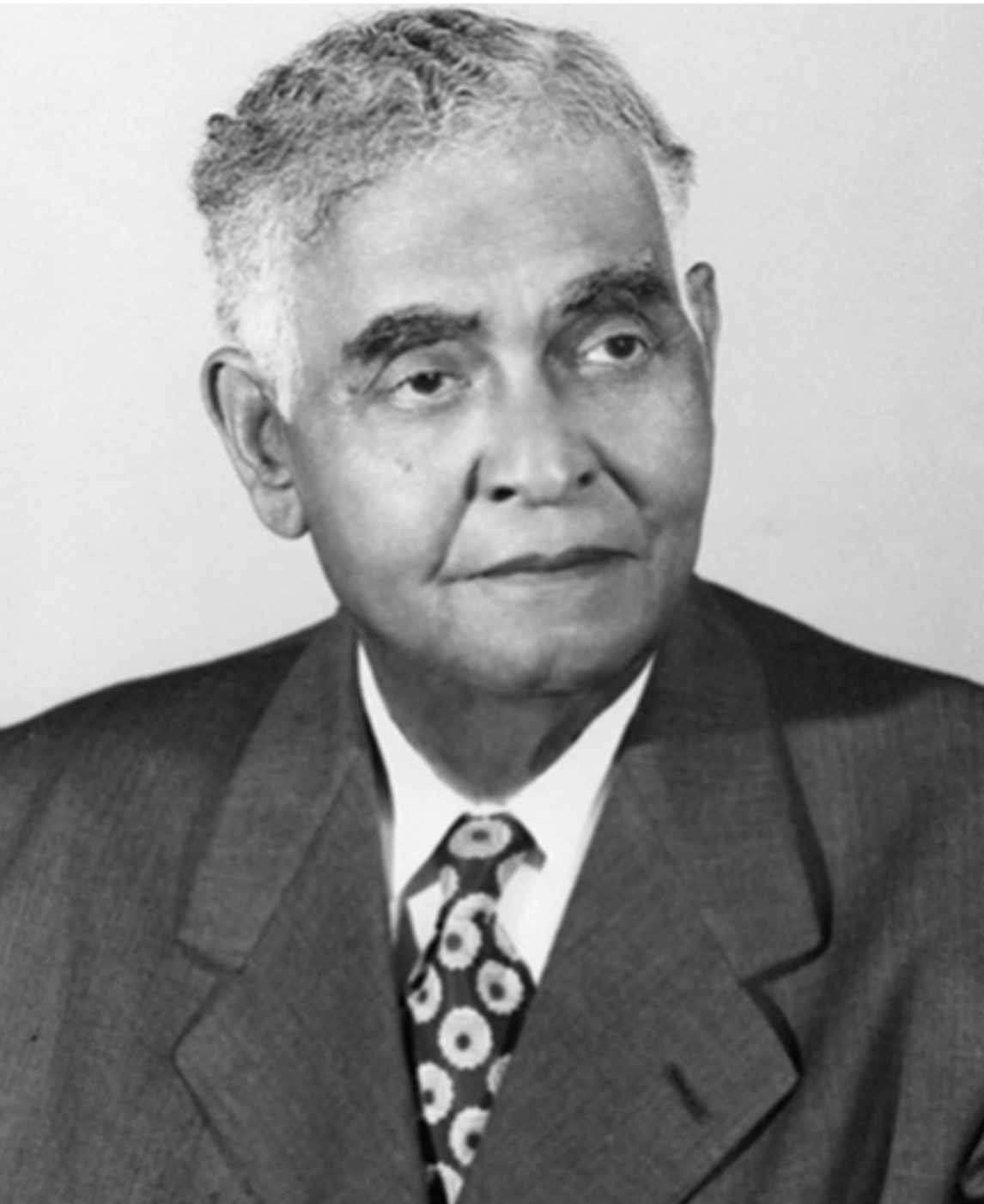
Moses McKissack III: Architecture, Craft, and Cultural Legacy

Moses McKissack III Architect

Moses McKissack III is researched not only for his architectural work, but for his role in shaping access, education, and public space in Nashville’s Black communities. His firm’s projects span schools, churches, and civic buildings, many of which remain in active use. 

McKissack’s relevance today often arises in preservation discussions and neighborhood history research rather than direct residential comparison. His work provides essential cultural and architectural context when evaluating historically significant areas.


Robert Anderson: Residential Modernism and Landscape Integration

Architect Robert Anderson

Robert Anderson’s residential designs are frequently referenced when buyers seek mid-century homes that emphasize light, openness, and site relationship. His houses often feature open plans, extensive glazing, and restrained material palettes.

These homes tend to raise questions about renovation, energy performance, and preservation of original intent. Understanding Anderson’s work can be helpful when evaluating how modernist principles translate to long-term livability.


Robert Bruce Draper: Taliesin Influence in Nashville Homes

Robert Bruce Draper’s work is often researched by buyers familiar with Frank Lloyd Wright’s principles. As a Taliesin apprentice, Draper translated Prairie and modernist ideas into regionally responsive residential designs.

His homes emphasize horizontality, material continuity, and integration with landscape. They are often architecturally significant and can require specialized understanding when buying, selling, or renovating.

Architect-designed mid-century homes often raise specific questions around renovation, preservation, and long-term livability.

Robinson Neil Bass: Civic Formalism and Residential Discipline

Robinson Neil Bass Architect

Robinson Neil Bass’s work appears in both civic landmarks and high-quality residential commissions. His designs reflect Beaux-Arts training, emphasizing symmetry, axial planning, and dignified restraint.

Homes associated with Bass often hold value through proportion and planning rather than size or embellishment. Buyers researching his work are typically seeking architectural pedigree within traditional frameworks.


Russell E. Hart: Preservation and Classical Continuity

Russell E. Hart Architect

Russell E. Hart is most often referenced in connection with preservation and classical revival projects, including the permanent reconstruction of the Parthenon. His work reinforced Nashville’s commitment to historical continuity.

Properties influenced by Hart’s thinking tend to be evaluated through preservation standards and long-term stewardship rather than market novelty.


Why Architectural Context Matters

Architectural attribution is rarely precise, and many Nashville homes reflect multiple influences over time. The value of understanding architects is not classification, but clarity. When design intent is understood, better decisions tend to follow.

Learn more about how architecture shapes neighborhoods, home values, and long-term livability in Nashville.