

Whitland: Institutional Anchors, Architectural Integrity, and Residential Calm
Whitland is shaped by architectural continuity, institutional presence, and a deliberate sense of residential restraint. Located between West End Avenue, Hillsboro Village, and Green Hills, the neighborhood developed in the early twentieth century as a planned residential enclave shaped by proximity to education, parks, and the city’s westward growth.
While nearby areas absorb commercial activity, Whitland remains intentionally inward-facing. Streets are quiet, blocks are cohesive, and the neighborhood feels buffered from surrounding activity despite its central location. The experience of Whitland is composed and settled, with little visual or functional disruption over time.
Its identity is rooted not in reinvention, but in preservation of scale, rhythm, and use.
Architectural Character and Housing Stock
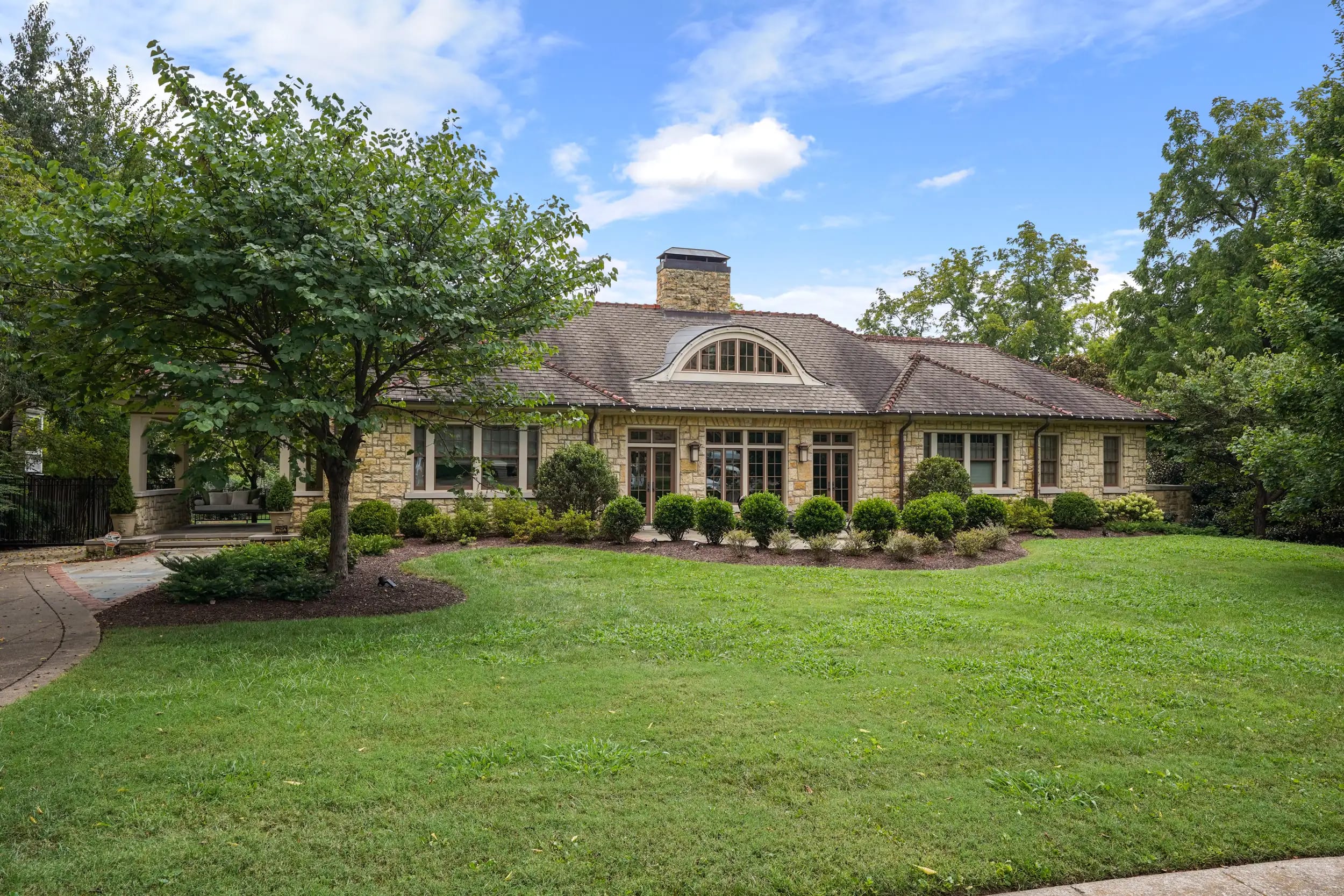
Whitland’s architectural fabric is among the most consistent in Nashville. Homes primarily date from the early and mid-twentieth century and include Colonial Revival, Tudor Revival, and other period styles that emphasize symmetry, masonry construction, and formal proportions.
Many properties fall within a historic overlay, which helps protect the neighborhood’s streetscape and architectural integrity. Houses tend to be set back modestly from the road, with mature landscaping and carefully composed relationships between home, yard, and sidewalk.
Renovations are common, but the strongest examples respect original massing and materials. New construction is limited and most successful when it aligns closely with established scale and character.
Institutions and Landscape as Structure
Institutions play a defining role in Whitland’s structure.
The presence of Montgomery Bell Academy provides a strong physical and cultural anchor, reinforcing the neighborhood’s residential stability and long-term appeal. Nearby Elmington Park extends the neighborhood’s openness, offering shared green space that supports daily life without altering the area’s quiet character.
Landscape elements such as tree canopies, lawns, and consistent setbacks further reinforce Whitland’s sense of enclosure and calm. Together, these features create a neighborhood that feels protected rather than exposed.
Living in Whitland
Whitland attracts buyers who value discretion, architectural integrity, and centrality. Its location allows for quick access to Vanderbilt, Hillsboro Village, Green Hills, and downtown Nashville while maintaining a distinctly residential environment.
The neighborhood appeals to families, professionals, and long-term residents who prioritize stability and quality of environment over visibility. Homes are often chosen for their architectural presence and neighborhood context rather than size or novelty.
Buyers considering Whitland often compare it with Richland / West End, Green Hills, and Belle Meade, depending on preferences around architecture, institutional proximity, and residential calm.
Real Estate Perspective
From a real estate standpoint, Whitland’s strength lies in constraint. Historic protections, institutional anchors, and established lot patterns limit change and preserve identity.
Properties that respect architectural context and maintain original scale tend to hold value across market cycles. Success in Whitland depends on understanding how preservation, location, and continuity intersect.
Whitland is not about activity. It is about balance.
Buyers focused on architectural integrity and long-term livability often track opportunities in this neighborhood through Jake’s List, a curated collection of design-forward homes informed by architectural context rather than surface features.
Frequently Asked Questions
Is Whitland subject to historic overlay or architectural restrictions?
Yes. Much of Whitland falls within a historic overlay, which helps preserve architectural scale, materials, and streetscape continuity while allowing for thoughtful renovation.
How does Montgomery Bell Academy affect the neighborhood?
MBA serves as a stabilizing institutional presence, contributing to long-term residential demand while buffering the neighborhood from commercial encroachment.
Who is Whitland best suited for?
Whitland appeals to buyers who value architectural integrity, discretion, and central access without the activity level or density found in nearby neighborhoods.