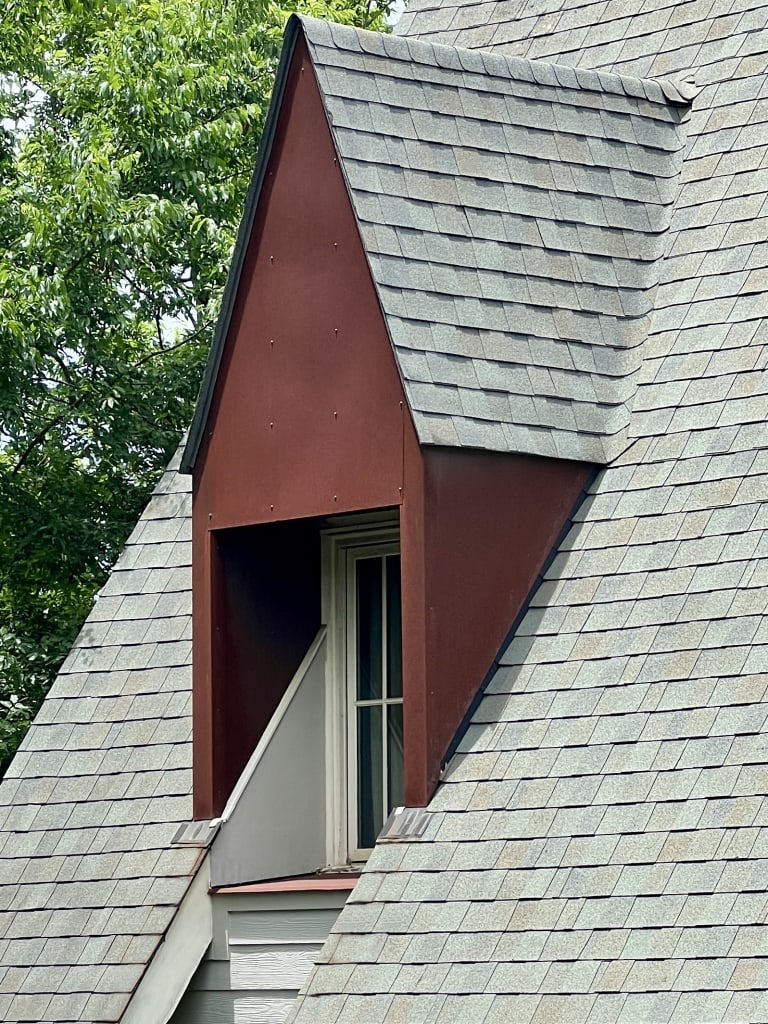
Not every home can be valued by formulas alone.
Nashville has a rich architectural heritage shaped by influential designers. Understanding this context often begins with exploring the architects who shaped Nashville’s built environment and the architectural history of the city.
Architecturally significant, historic, and mid-century homes often fall outside standard valuation models. Layout, proportion, materials, natural light, and neighborhood context can play a major role in how buyers perceive value — yet automated tools rarely measure these qualities well.
Most automated estimates focus on numerical inputs such as square footage, bedroom count, and recent comparable sales. While those factors matter, they often overlook the characteristics that make thoughtfully designed homes distinctive in the market.
A design-focused valuation takes a broader view. It looks at how architectural decisions influence the way a home lives, how it fits within its neighborhood, and how buyers respond to it over time. This type of analysis is often supported by brokerages like Compass, which provide tools and data for evaluating homes in context.
For owners of architecturally thoughtful homes, understanding those nuances can provide a more accurate perspective on market positioning.
Architecture affects how a home is experienced, not just how it is measured.
Buyers often respond to qualities that are difficult to capture in automated models. These can include spatial flow, visual balance, and how natural light moves through the home during the day.
In many cases, these design elements influence perceived value as much as square footage or bedroom count.
Several architectural factors frequently shape buyer perception:
Well-proportioned rooms tend to feel comfortable and functional even when square footage is modest. Ceiling height, room dimensions, and visual balance all contribute to how a space is experienced.
Thoughtful materials often age well and contribute to a home’s long-term character. Natural materials, craftsmanship, and architectural detailing can influence how buyers interpret quality.
A well-designed layout often makes a home feel larger and more livable than its square footage alone suggests.
Natural light plays a powerful role in how a home feels. Orientation, window placement, and interior sightlines can dramatically affect how spaces are perceived.
Architecture rarely exists in isolation. A home's relationship to its surrounding neighborhood, landscape, and streetscape can influence how buyers evaluate its overall value.
These elements are difficult for automated systems to measure but often matter deeply to buyers.
Automated home value estimates rely on large data sets and statistical models. These systems are designed to evaluate thousands of homes efficiently using measurable inputs.
Common factors include:
These models can work reasonably well for homes with conventional layouts and standardized design.
However, architecturally distinctive homes often behave differently in the market.
A mid-century modern home, for example, may derive much of its appeal from design integrity, spatial openness, and connection to landscape — qualities that automated tools rarely quantify.
Similarly, historic homes often carry value through craftsmanship, architectural pedigree, or neighborhood character that cannot be easily reduced to simple data points.
Because of this, automated estimates sometimes undervalue distinctive homes and occasionally overestimate homes where architectural integrity has been altered.
A contextual valuation can be particularly useful in situations where architectural character plays an important role in buyer perception.
Examples include:
Homes created by known architects or influenced by identifiable design movements often attract buyers who value architectural integrity.
Historic homes frequently derive value from craftsmanship, preservation, and neighborhood context rather than simple square footage comparisons.
Design-forward homes often prioritize spatial flow, light, and proportion, which automated tools rarely measure effectively.
When renovations emphasize design coherence rather than simply increasing size, their impact on value can be difficult for automated tools to interpret.
Even homeowners who are not planning to sell soon may benefit from understanding how design decisions influence long-term market perception.
Where a home sits in the architectural landscape can influence how buyers interpret its value. Certain styles attract particularly strong interest because they combine design identity, historical context, and limited supply.
While architecture alone does not determine value, it often shapes how buyers respond to a property during the search process.
Mid-century modern homes often command strong interest because of their emphasis on open space, natural light, and connection to landscape. Buyers drawn to this style frequently value architectural integrity and original design features.
When these homes retain their defining characteristics—such as large windows, clean rooflines, and thoughtful indoor-outdoor relationships—they often attract a dedicated buyer pool.
In Nashville, mid-century homes can still be found in areas such as Oak Hill and other neighborhoods where postwar architecture influenced residential design.
Historic homes can carry value through craftsmanship, architectural detail, and neighborhood character. Elements such as original millwork, masonry, and period-specific design features often create a sense of permanence that resonates with buyers.
Homes located within historically significant neighborhoods may also benefit from the broader cultural value of the surrounding environment.
Homes designed by recognized architects or influenced by notable design movements sometimes attract buyers who prioritize architectural pedigree. In these cases, value can stem from both the quality of design and the rarity of the property.
Because architect-designed homes are often unique, evaluating them may require broader context than automated estimates typically provide.
Thoughtful renovations that respect the original design language of a home often preserve long-term appeal. When renovations enhance livability while maintaining architectural coherence, buyers frequently respond positively.
In contrast, renovations that disrupt a home's design integrity can sometimes diminish the qualities that originally made it distinctive.
Real estate markets are driven not only by numbers but also by buyer psychology.
Homes that feel intentional and well-designed often create stronger emotional responses during showings. Buyers may perceive these homes as more livable, distinctive, or enduring.
In contrast, homes with fragmented layouts or inconsistent renovations may struggle to communicate their potential, even when the numerical metrics appear strong.
Understanding this relationship between design and perception can provide a clearer picture of how a property may perform in the market.
If you're interested in how architecture shapes Nashville's housing market, these guides provide deeper context:
These pages explore how design, neighborhood context, and architectural history influence how homes are experienced and valued.
Automated estimates rely heavily on square footage, bedroom count, and recent comparable sales. While those factors matter, architecturally significant homes often derive value from proportion, material quality, layout efficiency, and neighborhood context. A design-focused valuation considers how these elements influence buyer perception and long-term market performance.
Automated estimates rely heavily on square footage, bedroom count, and recent comparable sales. While those factors matter, architecturally significant homes often derive value from proportion, material quality, layout efficiency, and neighborhood context. A design-focused valuation considers how these elements influence buyer perception and long-term market performance.
An appraisal is a regulated report performed by a licensed and qualified professional and typically required by lenders. This architectural valuation is a market-based analysis designed to help homeowners understand positioning, buyer psychology, and competitive context. It is not a substitute for a lender-required appraisal, but it often provides broader insight into market strategy.
Not necessarily. Sometimes automated tools undervalue architectural homes. Other times, they may overestimate them if design integrity has been compromised. The purpose of this valuation is clarity, not inflation.
This valuation is best suited for homeowners who value architectural integrity and want to understand how design, layout, and context influence market perception. It is especially helpful for those considering selling, planning renovations, or evaluating long-term investment decisions.
No. This is an informational service intended to provide perspective. If you later decide to explore listing options, that conversation can happen separately.
This architectural home valuation is a personal review rather than an instant estimate.
After submitting your address and details, the home is evaluated through a design-focused lens that considers:
The goal is to provide a clearer understanding of how architectural qualities may influence market perception.
This analysis is supported by Compass, which provides the data systems and coordination tools behind the research process.
Sign in with your email address
Enter your email address
Please wait...
You’re being redirected to the page with listing data.