
Sylvan Park: Walkability, Scale, and Neighborhood Identity
Sylvan Park functions as a human-scale neighborhood where walkability and a strong local core shape daily life. Located west of downtown Nashville, the area developed as a streetcar suburb, shaped by proximity, modest density, and a clear relationship between homes, sidewalks, and local commerce.
Unlike neighborhoods built around major corridors or later suburban expansion, Sylvan Park was organized around everyday life. Streets are narrow, blocks are short, and the experience of the neighborhood is intimate and social. Architecture, landscape, and small commercial nodes work together to create a place that feels cohesive rather than segmented.
Despite its popularity, Sylvan Park retains a distinctly residential rhythm shaped by local streets, front porches, and neighborhood-scale commerce. Activity is present, but it is localized and integrated rather than overwhelming.
Architectural Character and Housing Stock
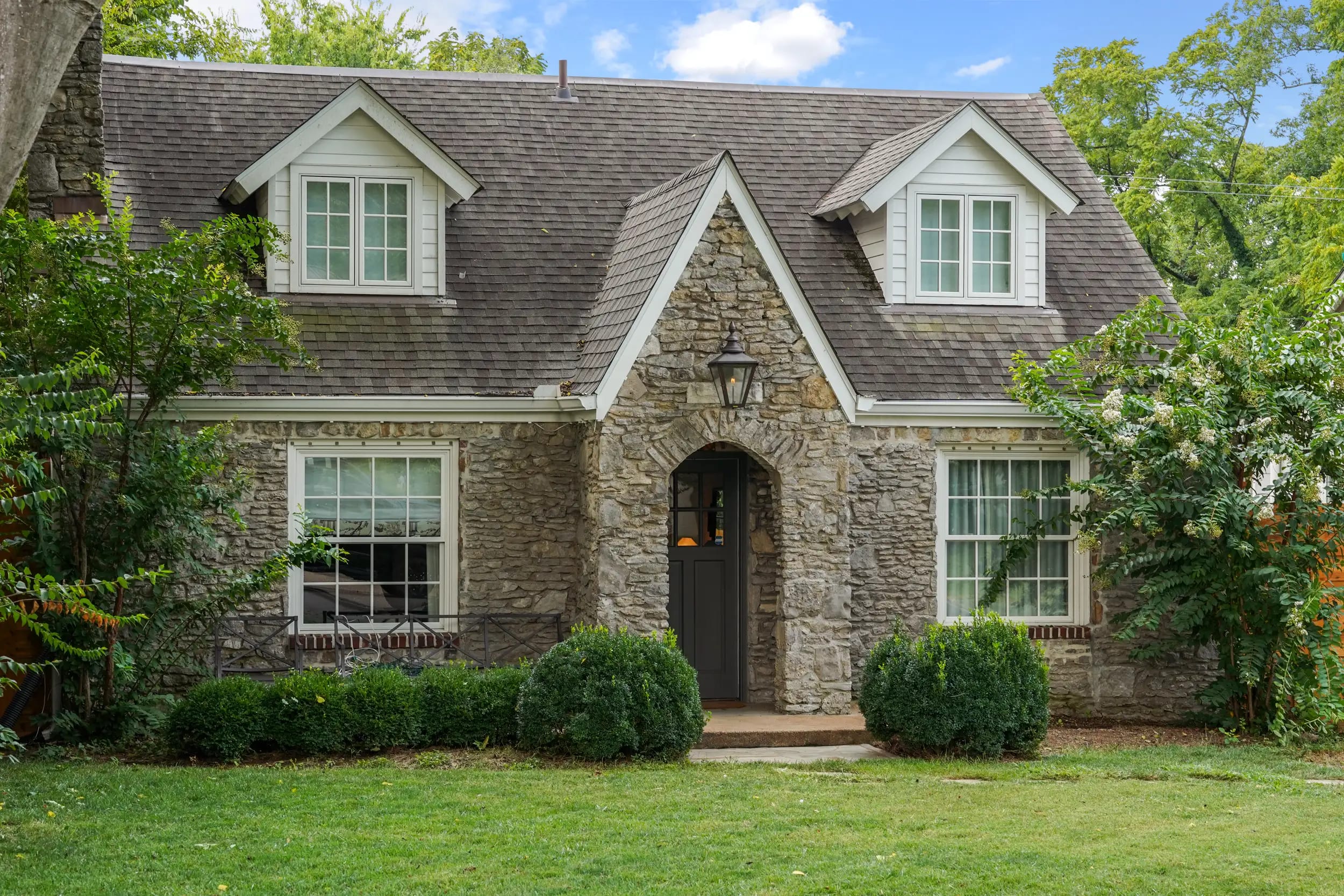
Sylvan Park’s architectural fabric is rooted in early twentieth-century residential design. Craftsman bungalows, cottages, and modest Tudor-influenced homes define much of the neighborhood, emphasizing front porches, pitched roofs, and consistent setbacks.
These homes tend to prioritize proportion and livability over size, reinforcing a sense of balance across streetscapes. Renovations and additions are common, and the strongest examples respect original scale while adapting interiors for modern use.
Newer construction has introduced variety, but success here depends on restraint. Homes that align with established massing, materials, and street presence tend to integrate seamlessly, preserving the neighborhood’s character.
Neighborhood Core and Landscape
Sylvan Park’s identity is anchored by its small commercial center.
Local restaurants, cafes, and shops form a walkable hub that supports daily life without dominating it. This neighborhood-scale commerce reinforces connection and reduces reliance on larger commercial corridors nearby.
Landscape plays a complementary role. Tree-lined streets, sidewalks, and proximity to McCabe Greenway and Golf Course extend the neighborhood’s walkability and provide access to outdoor space. These elements contribute to Sylvan Park’s reputation as one of Nashville’s most livable urban neighborhoods.
Living in Sylvan Park
Sylvan Park attracts buyers who value community, walkability, and architectural consistency. Its location allows easy access to downtown, West End, The Nations, and Green Hills while maintaining a residential atmosphere that feels grounded and familiar.
The neighborhood appeals to professionals, families, and long-term residents seeking connection rather than anonymity. Homes are often chosen for how they engage the street and support daily routines rather than for size or novelty.
Buyers considering Sylvan Park often also explore Germantown, Richland / West End, and The Nations, depending on priorities around walkability, neighborhood identity, and urban fabric.
Real Estate Perspective
In practice, Sylvan Park’s long-term value comes from balance. Limited scale, strong neighborhood identity, and consistent demand contribute to long-term stability.
Properties that respect architectural context and maintain the rhythm of the streetscape tend to hold value across market cycles. Success in Sylvan Park depends on understanding how walkability, scale, and neighborhood cohesion drive desirability.
Sylvan Park is not about growth for its own sake. It is about fit.
Sylvan Park’s appeal is rooted in scale, walkability, and early residential planning. These principles are part of a larger architectural story explored in architecture and design in Nashville homes. Buyers interested in how individual designers and building traditions influenced neighborhoods like this can also reference Architects of Nashville.
Frequently Asked Questions
What makes Sylvan Park different from nearby neighborhoods like The Nations?
Sylvan Park developed earlier as a streetcar suburb, resulting in smaller-scale homes, consistent setbacks, and a walkable neighborhood core rather than large-scale redevelopment.
Is Sylvan Park considered a walkable neighborhood?
Yes. Short blocks, continuous sidewalks, and a compact commercial center allow residents to walk to daily amenities without relying on major corridors or driving for every errand.
How does new construction fit into Sylvan Park?
New construction is most successful when it respects the neighborhood’s established scale, materials, and street presence. Homes that align with existing massing tend to integrate more naturally.