

Leiper's Fork: Land, Craft, and Cultural Continuity
Leiper’s Fork is defined by landscape, restraint, and cultural continuity. Located southwest of Franklin in Williamson County, the village developed as a rural crossroads shaped by agriculture, craft, and land stewardship rather than subdivision or density.
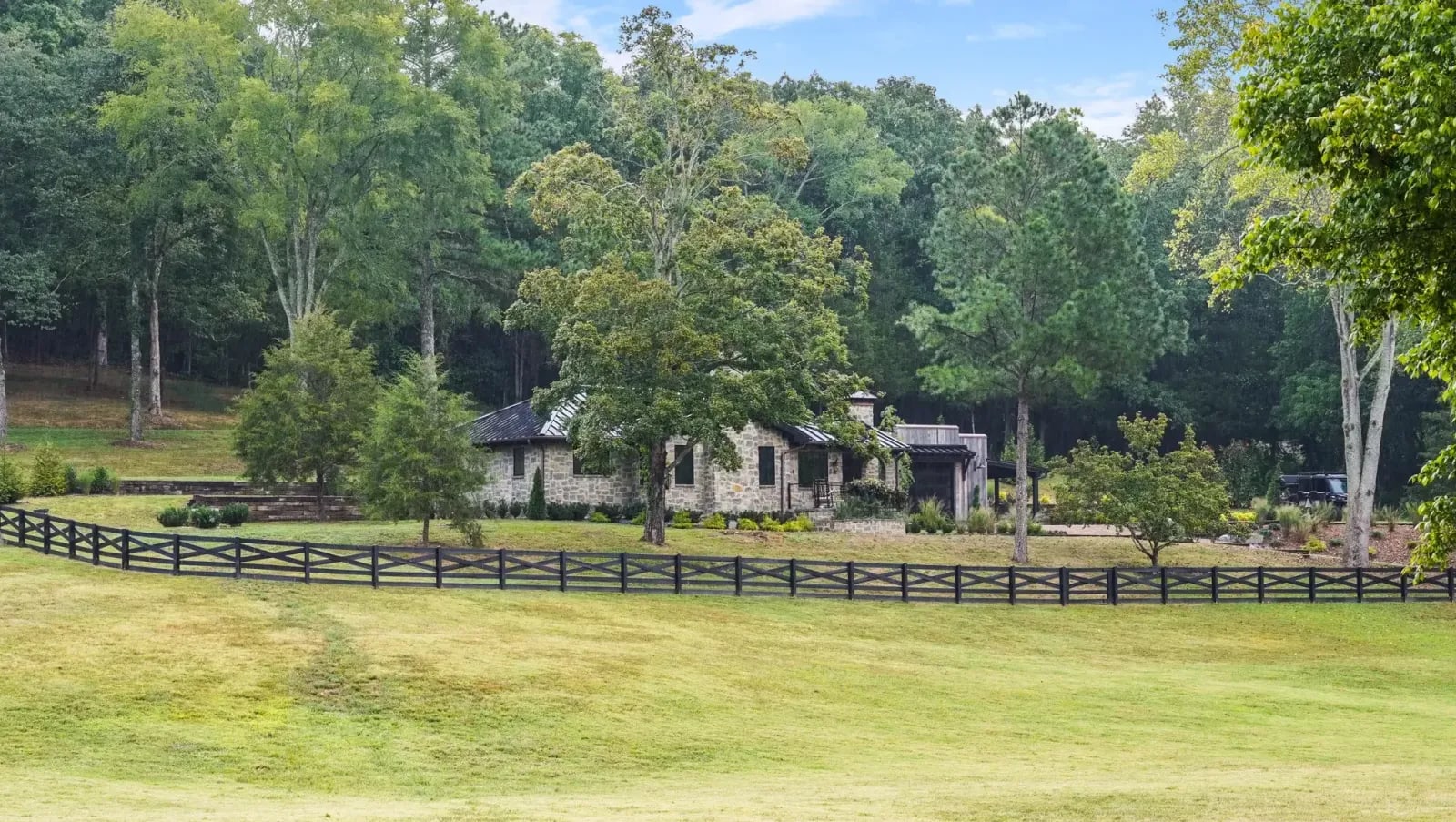
Unlike suburban or urban neighborhoods, Leiper’s Fork is organized around open space. Roads follow topography, parcels are measured in acres rather than lots, and buildings sit within the landscape rather than asserting dominance over it. The experience of the area is quiet and deliberate, shaped by distance, views, and a strong sense of place.
Growth here has been limited by intention. Preservation, land use, and community values have played a central role in maintaining Leiper’s Fork’s identity despite increasing regional demand.
Architectural Character and Housing Stock
Leiper’s Fork real estate is defined by variety within restraint. Historic farmhouses, barns, and rural structures form the foundation of the area’s architectural identity, emphasizing proportion, material honesty, and connection to land.
Contemporary homes and estates tend to prioritize craftsmanship, natural materials, and siting over stylistic statements. Successful architecture here responds to terrain, views, and privacy, often favoring low profiles, long rooflines, and simple forms that age quietly over time.
What distinguishes Leiper’s Fork architecturally is not uniform design, but shared values. Buildings here tend to respect land first, architecture second.
Landscape as Structure
In Leiper’s Fork, landscape is the primary organizing force.
Rolling hills, pastureland, creeks, and long sightlines determine how homes are placed and experienced. Parcels are shaped by topography rather than grids, reinforcing privacy and visual quiet. Development here tends to follow the land rather than reconfigure it.
This emphasis on landscape explains why architecture in Leiper’s Fork is often understated. Buildings succeed when they defer to land, views, and scale rather than attempting to dominate them.
Living in Leiper's Fork
Leiper’s Fork attracts buyers who value privacy, authenticity, and a slower pace. Artists, musicians, entrepreneurs, and families are drawn to its balance of rural living and cultural presence.
The village center provides a small but meaningful social core, while nearby Franklin offers access to schools, services, and amenities. Homes are often chosen as long-term retreats rather than transitional residences.
Living here requires intention. The reward is space, quiet, and a strong sense of belonging to place.
Buyers drawn to Leiper’s Fork often also explore Franklin, College Grove, and Belle Meade, depending on how they weigh land, privacy, and proximity to the city.
Real Estate Perspective
From a real estate standpoint, Leiper’s Fork’s value is rooted in scarcity. Zoning, land preservation, and community priorities limit overdevelopment and protect the area’s character.
Properties with acreage, thoughtful siting, and architectural restraint tend to perform well over time. Market strength here is driven less by cycles and more by long-term desirability.
Leiper’s Fork is not about scale or visibility. It is about stewardship.
Buyers focused on architectural integrity and long-term livability often track opportunities in this neighborhood through Jake’s List, a curated collection of design-forward homes informed by architectural context rather than surface features. This is a more intentional approach than doing a vague internet search of "Leipers Fork real estate" or similar.
Frequently Asked Questions
Why is development so limited in Leiper’s Fork?
Zoning, land preservation, and strong community stewardship intentionally restrict density. These constraints protect open land, views, and the rural character that defines the area.
What types of buyers are best suited for Leiper’s Fork?
Leiper’s Fork attracts buyers seeking privacy, acreage, and long-term ownership. Many view their homes as retreats or legacy properties rather than short-term residences.
How does Leiper’s Fork compare to nearby areas like Franklin or College Grove?
Leiper’s Fork prioritizes land preservation and cultural continuity over planned development. Franklin offers more structure and services, while College Grove blends rural land with master-planned communities.