
Cherokee Park: Residential Scale and Early 20th-Century Design
Cherokee Park is a small, tightly composed neighborhood in West Nashville, defined by architectural continuity and residential calm. Located between Sylvan Park and West End, it developed during a period when neighborhoods were designed for permanence, proportion, and daily life at a measured pace.
The result is a setting that feels settled rather than curated. Streets are quiet, blocks are short, and homes relate closely to one another through scale, setback, and material rather than repetition.
Architectural Character and Housing Stock
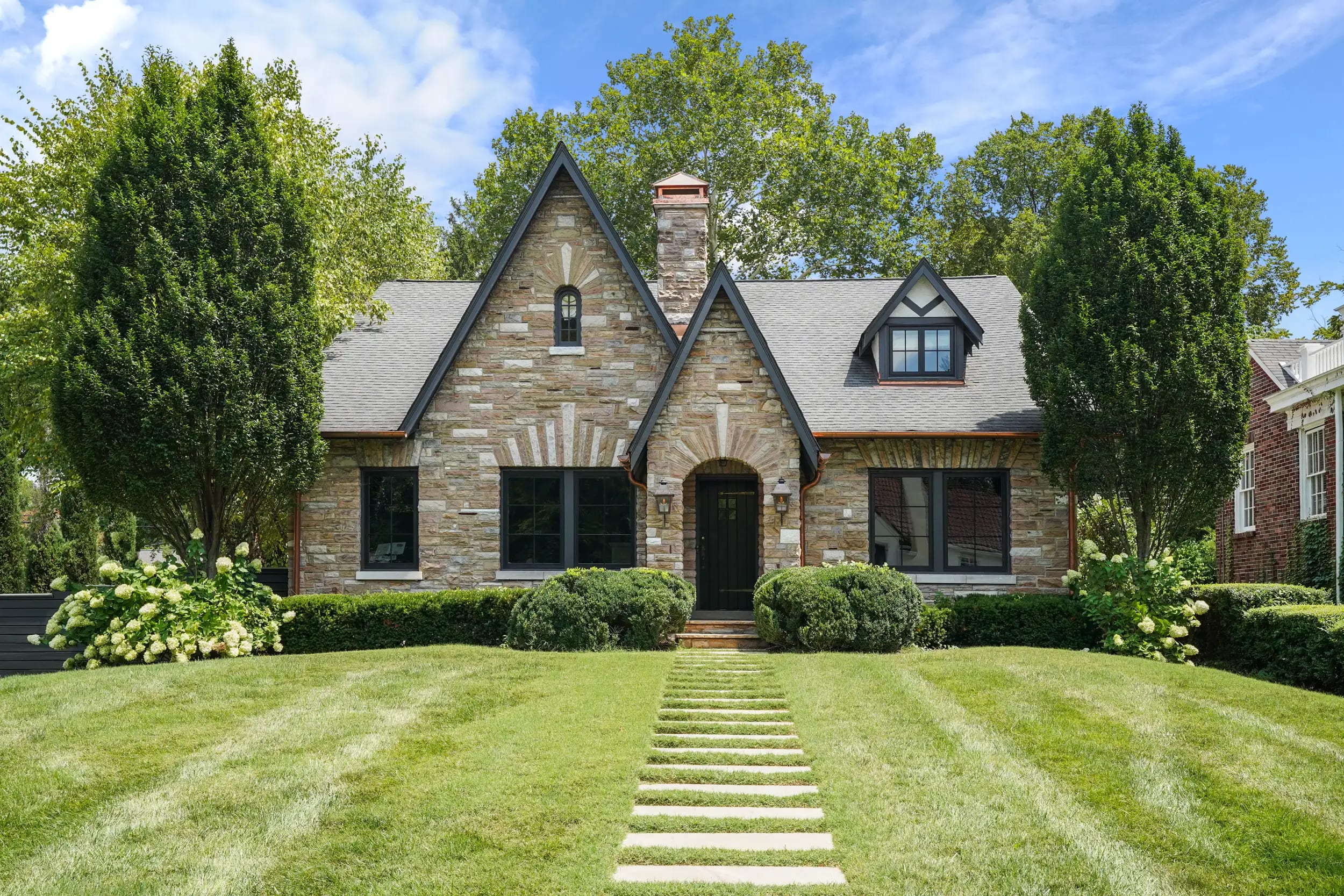
The homes in Cherokee Park date primarily to the early and mid-20th century and include Colonial Revival, Tudor Revival, and other traditionally influenced residential designs. These houses tend to emphasize symmetry, solid construction, and restrained detailing, with an attention to proportion that remains legible decades later.
Many properties retain original architectural elements such as hardwood floors, millwork, and masonry detailing. Renovations in the neighborhood are typically measured, favoring restoration and thoughtful updates over dramatic alteration. This has helped preserve a consistent architectural identity across the neighborhood.
Cherokee Park does not rely on a single style. Its cohesion comes from discipline and restraint.
Walkability and Neighborhood Form
Cherokee Park was laid out at a scale that supports walkability without commercial density. Sidewalks, mature trees, and modest setbacks encourage movement on foot, while nearby access to Sylvan Park, McCabe Park, and the Richland Creek Greenway connects the neighborhood to larger open spaces.
Retail and dining are close enough to be convenient, but far enough away to preserve the neighborhood’s residential character. This balance is a key part of Cherokee Park’s appeal.
Living in Cherokee Park
Cherokee Park attracts buyers who value quiet centrality. Its location allows for easy access to Midtown, Vanderbilt, downtown Nashville, and Green Hills, while maintaining a sense of separation from busier corridors.
Homes here are often chosen for their livability rather than visibility. Buyers tend to respond to the way the neighborhood feels over time, not just how a house presents at first glance.
Buyers exploring Cherokee Park also look closely at Sylvan Park, Richland / West End, and Green Hills when prioritizing architectural character and central location.
Real Estate Perspective
From a real estate standpoint, Cherokee Park benefits from scarcity and consistency. Its limited size, architectural integrity, and location contribute to steady demand.
Homes that preserve original proportions and materials tend to perform best. For buyers and sellers alike, understanding the neighborhood’s architectural expectations is key to making sound decisions.
Cherokee Park is not a hidden gem by accident. It is the result of careful development and long-term stewardship.
Buyers focused on architectural integrity and long-term livability often track opportunities in this neighborhood through Jake’s List, a curated collection of design-forward homes informed by architectural context rather than surface features.
Frequently Asked Questions
What makes Cherokee Park feel different from nearby West Nashville neighborhoods?
Cherokee Park is quieter and more internally focused. It lacks a commercial core, which helps preserve a residential rhythm defined by consistency, scale, and low traffic rather than activity.
Are homes in Cherokee Park typically renovated or left original?
Most updates in Cherokee Park are measured rather than transformative. Buyers tend to value restored details and subtle improvements that preserve original proportions and materials instead of dramatic expansions.
Who is typically drawn to living in Cherokee Park?
Cherokee Park appeals to buyers who want central access without visibility. Many choose the neighborhood for its calm, architectural continuity, and long-term livability rather than trend or status.