

Mt. Juliet: Growth, Infrastructure, and Suburban Structure
Mt. Juliet is defined by expansion, infrastructure, and planned suburban form. Located east of Nashville, the city developed as a regional hub shaped by highway access, rail connectivity, and master-planned growth rather than historic density.
Rather than forming around a traditional town square, Mt. Juliet is organized around infrastructure and access. Major corridors, commercial centers, and residential neighborhoods are distributed across a broad footprint, creating a city designed for access and efficiency. The experience of Mt. Juliet is contemporary and forward-looking, oriented around convenience and daily function.
Growth here has been intentional and continuous. Infrastructure has expanded alongside population, allowing the city to absorb demand without losing coherence.
Architectural Character and Housing Stock
Mt. Juliet’s housing stock reflects its modern growth. Most homes are late-twentieth- and early-twenty-first-century construction, including single-family neighborhoods, townhomes, and larger planned communities.
Architectural styles tend toward traditional suburban forms, with an emphasis on interior space, garages, and flexible floor plans. Newer developments often prioritize consistency of scale and materials, reinforcing neighborhood cohesion over individual expression.
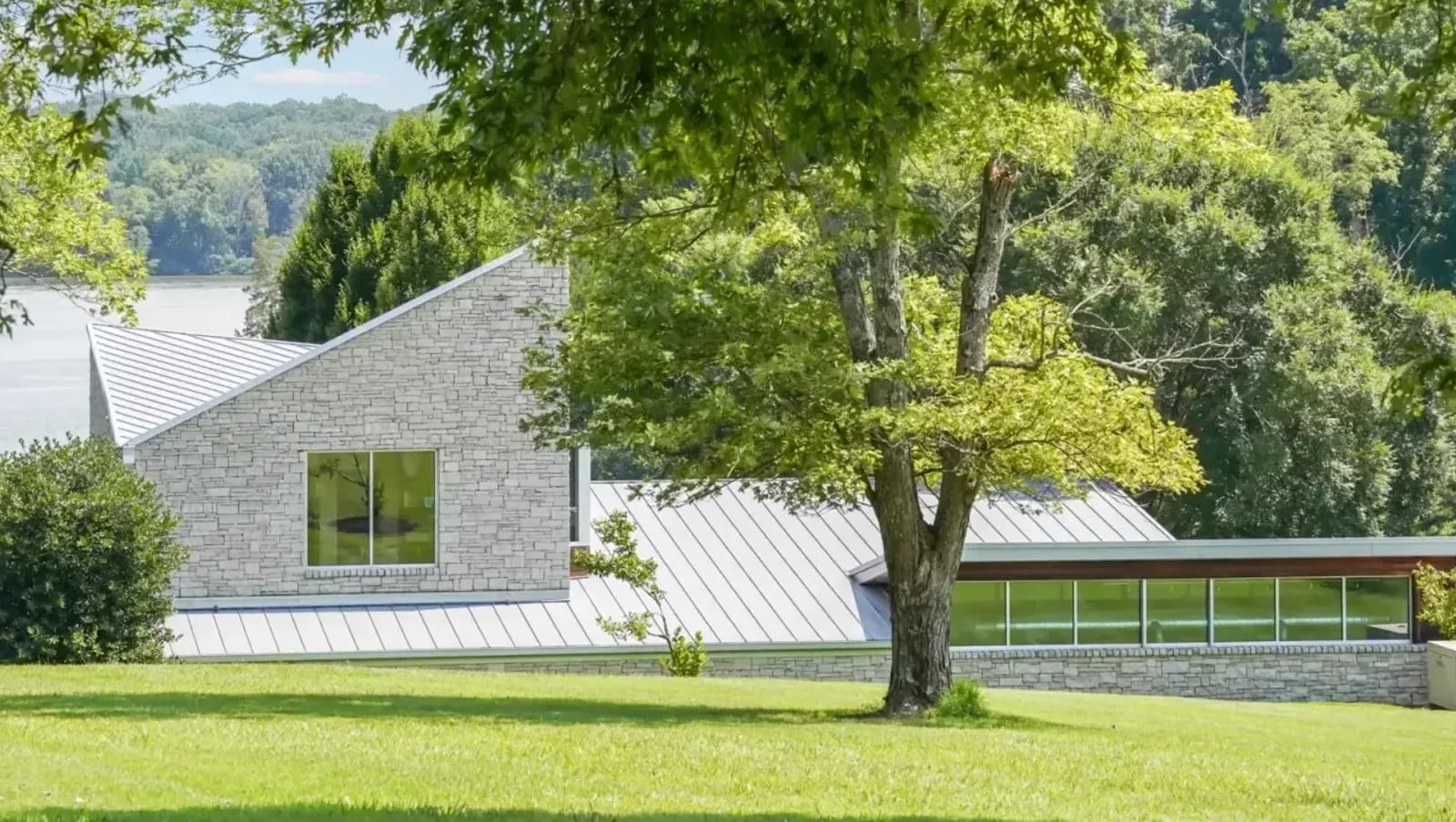
Near Old Hickory Lake and surrounding natural areas, homes shift toward larger parcels and recreational orientation. Across the city, architecture is primarily driven by livability and efficiency rather than stylistic distinction.
Infrastructure and Landscape
In Mt. Juliet, infrastructure functions as structure.
Highway access, commuter rail, and planned commercial districts shape how residents move through the city and how neighborhoods connect. Providence Marketplace serves as a central node, combining retail, dining, and services within a concentrated area.
Natural features, including nearby lakes, parks, and greenways, provide balance within an otherwise development-driven environment. These spaces offer recreational relief and reinforce Mt. Juliet’s appeal to families and long-term residents.
Living in Mt. Juliet
Mt. Juliet attracts buyers who value space, schools, and accessibility. Its location supports commuting while offering a suburban environment designed around family life and routine.
The city appeals to a wide range of residents, including families, professionals, and relocations seeking newer housing stock and predictable neighborhood structure. Homes are often chosen for practicality, layout, and proximity to schools and amenities.
Buyers considering Mt. Juliet often compare it with Old Hickory, Lebanon, and Hendersonville, depending on commuting patterns, housing stock, and infrastructure.
Real Estate Perspective
From a real estate standpoint, Mt. Juliet’s strength lies in momentum. Demand is driven by population growth, infrastructure investment, and relative affordability compared to closer-in Nashville neighborhoods.
Properties within established communities and near major access points tend to perform consistently. Success in Mt. Juliet depends on understanding growth patterns, school zoning, and long-term development plans.
Mt. Juliet is not defined by history. It is defined by trajectory.
Frequently Asked Questions
What makes Mt. Juliet different from older Nashville-area suburbs?
Mt. Juliet was built around infrastructure rather than a historic core. Its growth follows highways, rail access, and planned commercial centers, creating a more modern and efficient suburban layout.
Is Mt. Juliet a good fit for buyers relocating to Middle Tennessee?
Yes. Mt. Juliet appeals strongly to relocations because of newer housing stock, predictable neighborhood planning, and easy access to Nashville via highway and commuter rail.
How does Mt. Juliet compare to Lebanon or Hendersonville?
Mt. Juliet prioritizes access and planned growth. Lebanon offers a stronger historic core, while Hendersonville emphasizes lake access and landscape. Mt. Juliet sits between them as the most infrastructure-driven option.