
Lebanon: Growth, Heritage, and Civic Structure
Lebanon has long functioned as a regional center, balancing historic continuity with steady outward expansion. Located east of Nashville, the city developed as a regional center shaped by rail access, education, and a traditional town core rather than suburban sprawl alone.
Unlike many fast-growing Middle Tennessee cities, Lebanon retains a clear center of gravity. Its historic square, institutional anchors, and surrounding neighborhoods create a sense of structure that predates recent growth. Expansion has occurred outward, but the city’s identity remains grounded in its historic fabric.
The experience of Lebanon is transitional by nature. It sits between small-town familiarity and metropolitan access, offering space and affordability while remaining connected to Nashville’s economic orbit.
Architectural Character and Housing Stock
Lebanon’s housing stock reflects its layered history. Older neighborhoods near downtown include historic homes, traditional cottages, and mid-century residences that emphasize walkability and proximity to civic space.
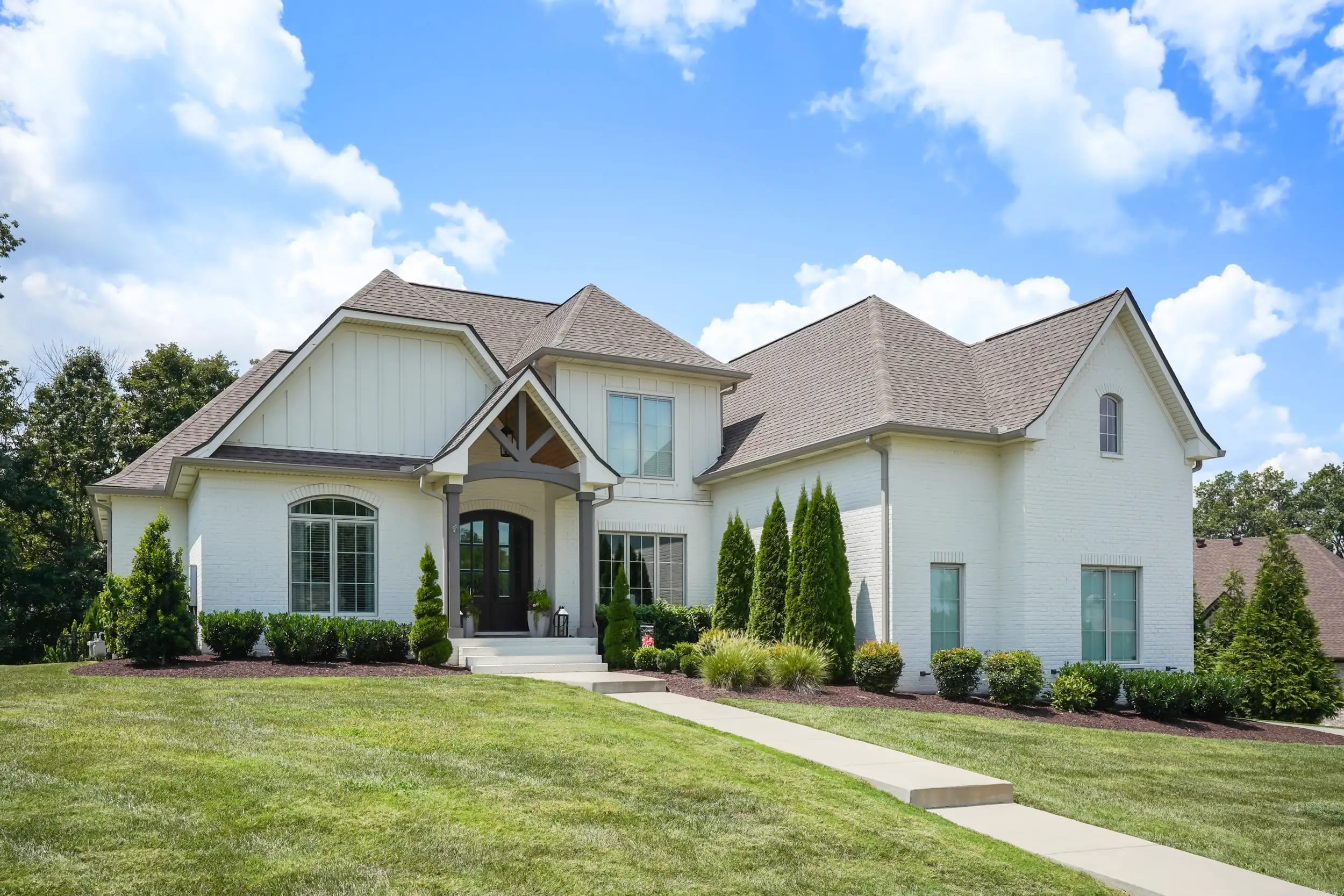
Beyond the historic core, newer development introduces subdivisions, custom homes, and master-planned communities designed to accommodate growth. Architectural styles vary widely, but most prioritize function, livability, and value over formal expression.
Beyond the historic core, newer development introduces subdivisions, custom homes, and master-planned communities designed to accommodate growth. Architectural styles vary widely, but most prioritize function, livability, and value over formal expression.
Civic Core and Landscape
Lebanon’s downtown square functions as its organizing element.
Civic buildings, local businesses, and community events anchor the city’s identity and reinforce a sense of place. Institutions such as Cumberland University contribute academic presence and continuity, shaping the city’s cultural rhythm.
Beyond downtown, access to natural landscapes including Cedars of Lebanon State Park and proximity to Old Hickory Lake provide recreational balance. This combination of civic structure and open space supports a lifestyle that values both community and access to nature.
Living in Lebanon
Lebanon attracts buyers seeking space, affordability, and a clear sense of community. Its location supports commuting via road and rail while offering a slower pace than closer-in Nashville neighborhoods.
The city appeals to families, first-time buyers, and long-term residents who prioritize stability and value. Homes are often chosen for their flexibility, lot size, and proximity to schools and civic amenities rather than short-term market appeal.
Buyers considering Lebanon frequently compare it with Mt. Juliet, Hendersonville, and Nolensville when evaluating growth, affordability, and regional connectivity.
Real Estate Perspective
Looking at the fundamentals, Lebanon’s strength lies in accessibility and growth potential. Demand is driven by relative affordability, infrastructure investment, and expanding regional connectivity.
Properties near the historic core and established neighborhoods tend to benefit from long-term stability, while newer developments respond to population growth and housing demand. Success in Lebanon depends on understanding how expansion integrates with the city’s existing structure.
Lebanon is not defined by speed. It is defined by transition.
Frequently Asked Questions
How is Lebanon different from other fast-growing cities east of Nashville?
Lebanon has a defined historic core anchored by a downtown square and long-standing institutions. Growth expands outward, but the city’s identity remains centered rather than purely suburban.
What types of homes are most common in Lebanon?
Lebanon offers a mix of historic homes near downtown, mid-century neighborhoods, and newer subdivisions. Most housing emphasizes value, flexibility, and long-term livability rather than architectural uniformity.
Who is Lebanon best suited for as a place to live?
Lebanon appeals to buyers seeking affordability, space, and community structure with access to Nashville. It is especially attractive to families, first-time buyers, and long-term residents.