

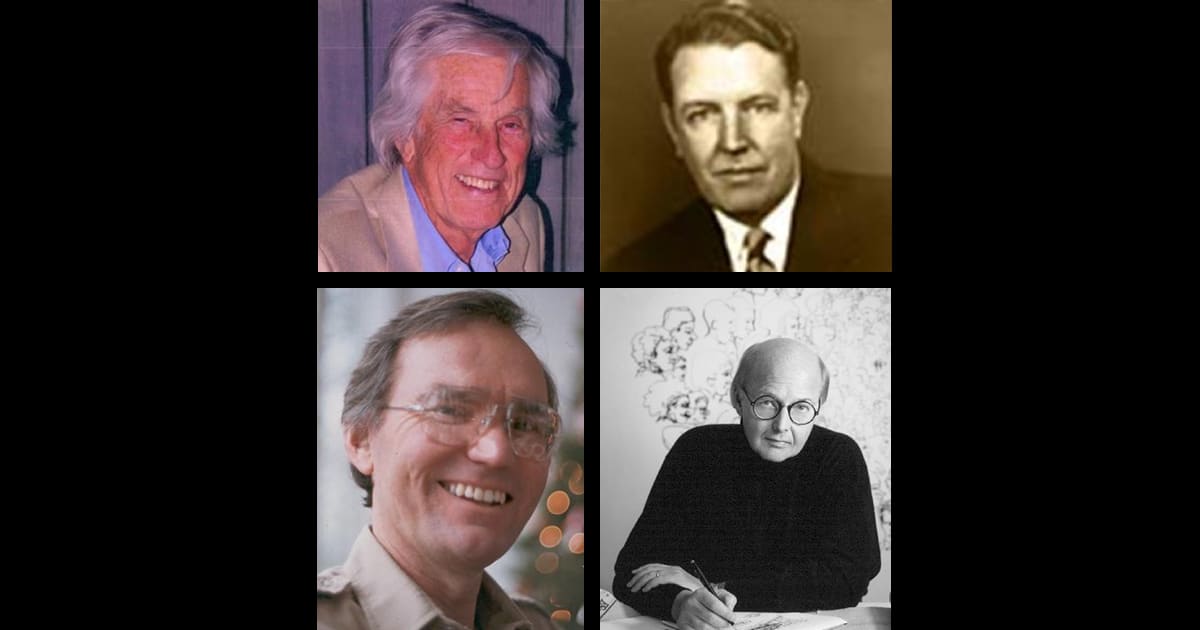

Nashville’s architecture tells a story — not just of changing styles and construction techniques, but of the visionaries who imagined the city’s homes, civic buildings, and public spaces. The 20th century was a time of architectural transformation in Middle Tennessee, blending Southern tradition with national and global design movements.
Some of Nashville’s most celebrated architects worked during this era, creating buildings that remain instantly recognizable decades later. From whimsical country estates to modernist residences, their influence can still be felt in the neighborhoods and skylines we know today.
As a Realtor who specializes in architecturally significant and design-forward properties, I’ve seen firsthand how these architects’ legacies continue to inspire buyers and sellers alike. Here’s a closer look at four of Nashville’s most influential 20th century designers — and why their work still matters in today’s market.
Braxton Dixon – The Storybook Craftsman
Braxton Dixon was a self-taught architectural designer whose work is nothing short of magical. Known for creating one-of-a-kind country estates, Dixon blended rustic Southern charm with a touch of the fantastical.
-
Signature Features: Reclaimed materials, hidden rooms, handcrafted woodwork, antique brick and stone, and intricate detailing that often defies architectural convention.
-
Famous Clients: Dixon built homes for country music legends such as Johnny Cash, Roy Orbison, and Tammy Wynette.
-
Architectural Significance: His work is less about adhering to a style and more about creating a feeling — warm, timeless, and filled with personality.
Owning a Dixon home is like owning a piece of Tennessee folklore. Because his properties are rare and irreplicable, they often sell quickly when they come on the market, attracting buyers from across the country who are seeking homes with soul.
Edwin A. Keeble – The Modernist Mind
In contrast to Dixon’s storybook charm, Edwin A. Keeble brought a sleek, modernist sensibility to Nashville’s mid-century landscape. A Harvard-trained architect, Keeble introduced clean lines, open interiors, and a deliberate relationship between buildings and their sites.
-
Signature Features: Low-pitched roofs, large expanses of glass, natural materials, and open-plan layouts that encourage connection between indoor and outdoor living.
-
Notable Projects: His work includes both high-profile civic buildings and private residences, each with a balance of function and elegance.
-
Architectural Significance: Keeble helped establish Nashville’s foothold in the mid-century modern movement, creating homes that feel as relevant today as they did in the 1950s.
Keeble-designed properties are highly sought-after by buyers who value mid-century modern design and architectural pedigree. Their timeless aesthetic also makes them strong candidates for restoration rather than teardown.
Earl Swensson – The Landmark Creator
Founder of ESa (Earl Swensson Associates), Earl Swensson was responsible for many of Nashville’s most recognizable commercial and hospitality projects. His work is bold, innovative, and deeply connected to the city’s identity.
-
Signature Features: Large-scale yet human-centered design, creative use of glass and light, and a keen eye for proportion.
-
Notable Projects: The JW Marriott Nashville, the Gaylord Opryland expansions, and numerous healthcare facilities throughout the region.
-
Architectural Significance: While his portfolio is dominated by non-residential buildings, Swensson’s influence can be felt in the city’s urban development patterns and in the work of younger architects he mentored.
For homeowners in Nashville, Swensson’s legacy is a reminder of how thoughtful architecture can enhance both the skyline and the pedestrian experience — a principle that resonates in high-end residential design today.
Robert Anderson – The Residential Artisan
Robert Anderson may not be as widely known outside architectural circles, but his work is revered among design-conscious homeowners. Anderson specialized in creating residences that marry livability with architectural integrity.
-
Signature Features: Balanced proportions, warm materials, custom millwork, and a meticulous attention to how spaces flow from one to the next.
-
Notable Projects: Dozens of custom homes in Nashville’s most desirable neighborhoods, many of which remain in the hands of original or long-term owners.
-
Architectural Significance: Anderson’s approach demonstrated that luxury is as much about thoughtful design as it is about size or finishes.
Because Anderson-designed homes often age gracefully, they’re considered enduring investments in a market that can sometimes favor the flashy over the lasting.
Why This History Matters in Today’s Market
In a city growing as quickly as Nashville, new construction dominates many conversations about real estate. But buyers with an eye for design often prefer homes with a story — and architect-designed properties have a built-in narrative that resonates.
For Buyers:
-
Knowing an architect’s style helps you identify properties that match your aesthetic preferences.
-
Many architect-designed homes offer features you won’t find in mass-produced builds, from unique floor plans to custom details.
For Sellers:
-
An architectural pedigree can become a major marketing asset.
-
Highlighting your home’s design history in listings and marketing materials can attract motivated, design-savvy buyers.
Preserving Nashville’s Architectural Heritage
With rising land values and demand for larger footprints, many of Nashville’s older architect-designed homes are at risk of demolition. Preservation-minded buyers and Realtors play a crucial role in ensuring these properties are not only saved but appreciated for the artistry they represent.
Buying, selling, or simply learning about these homes keeps their stories alive — and keeps Nashville’s architectural landscape rich, diverse, and inspiring.
Want to learn more? Contact Jake today at jake.kennedy@compass.com or call (615) 724-3977!