
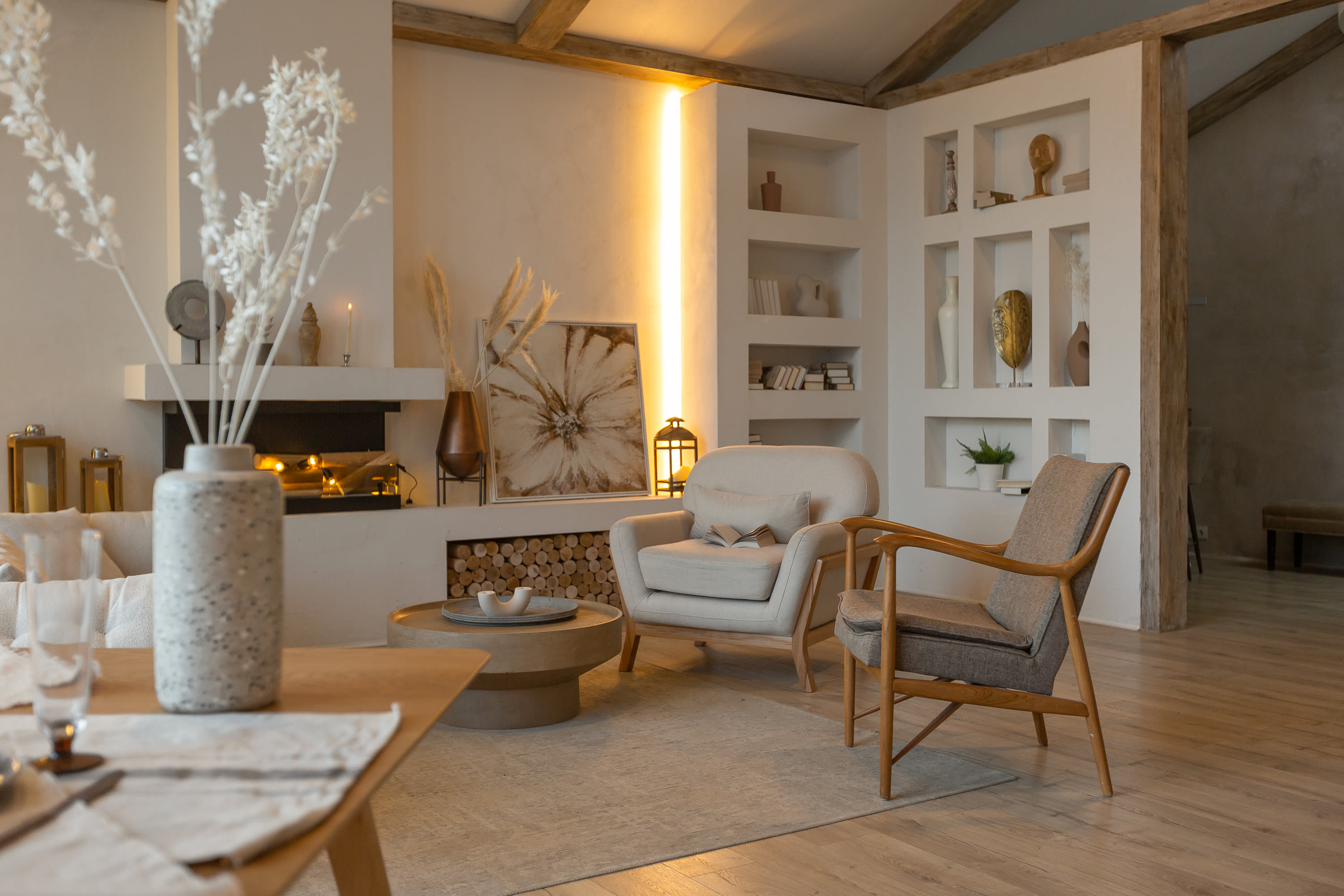

Well-designed homes tend to attract thoughtful buyers. They also tend to ask more in return.
This is not always obvious at the start of a search. In Nashville, where renovated homes, new construction, and older properties all compete for attention, it is easy to assume that quality should come neatly packaged. In reality, buying a well-designed home often requires a different mindset.
Here are a few things that buyers sometimes underestimate when they prioritize design and long-term livability.
Patience With the Process
Homes with strong design fundamentals do not always appear in volume.
In Nashville, many of the most considered houses are older homes that come to market less frequently. They are often owned by people who valued them for a long time. When they do become available, timing does not always align neatly with buyer schedules.
Patience is often part of the equation. That can mean waiting longer, being selective about showings, or staying engaged through quieter stretches of inventory.
This is the reason I created Jake's List. I help find potential off-market properties that might fit my clients' needs.
Comfort With Imperfection
Well-designed homes are not always pristine.
They may show wear. They may carry decisions from another era. They may require updates that prioritize longevity over immediate visual payoff.
Buyers who value design learn to separate flaws from fundamentals. They understand that dated finishes are often easier to address than compromised layouts or poor light. This perspective can be uncomfortable at first, but it often leads to better long-term outcomes.
Flexibility Around the Checklist
Checklists are useful, until they are not.
Homes that live well do not always align perfectly with predefined requirements. A dining room might matter more than an extra bedroom. A thoughtful layout might outweigh a larger footprint.
In competitive markets, buyers who insist on perfect alignment often miss opportunities that would have served them better over time.
Buying a well-designed home often means revisiting priorities as real spaces replace abstract ideas.
Willingness to Look Past the Obvious
Strong shows up in how a house feels on a normal day. In how light moves, in how rooms relate, and in how the home sits on its lot and relates to its street.
In Nashville, this is especially true in established neighborhoods where homes were designed with context in mind. These qualities do not always photograph well, and they do not always create instant excitement.
They do create durability.
Clarity About Why Design Matters to You
Perhaps most importantly, buying a well-designed home requires self-awareness.
Design means different things to different people. For some, it is about architecture. For others, it is about function, calm, or longevity.
Buyers who navigate this well are clear about why design matters to them. That clarity makes tradeoffs easier and decisions steadier.
Why This Matters
Well-designed homes reward attention and patience. They support daily life quietly, without demanding constant adjustment or apology.
In a competitive market, choosing that path can feel slower. But for many buyers, it leads to fewer regrets and more satisfaction over time.
Buying well is rarely about finding the most impressive house. It is about finding the one that continues to make sense long after the search is over.
Are you ready to make a move? Please call or text me at (615) 724-3977 or email jake.kennedy@compass.com. You can read more about me and my design philosophy here.